

- Giant river otters are a thing and can grow to ~6ft long!
- Sea otters have the densest fur of any animal-- up to 1 million hairs per square inch.
- their fur is where they trap air for insulation (unlike other marine mammals that rely on blubber).
- They can close their ears and nostrils under water.
- Depending on the species, they can hold their breath for up to 8 minutes.
- Sea otters can dive over 200 feet deep!
- Their feet are webbed and each foot has five toes.
- They groom-- constantly. And, mother otters are always grooming their pups.
- Sea otters eat 25-30% of their body weight daily.
- Otter bones are denser than most marine animals, which helps them dive.
- Otters are considered keystone species in many ecosystems and are often indicators of ecosystem health.
- The giant otter is endangered, but many other otter species have thrived under years of conservation efforts.
- Giant otters live in the Amazon basin, while sea otters are found along the Pacific coast. Otters can be found on every continent EXCEPT Australia and Antarctica.
- Otters know how to use tools, like using rocks to crack open shellfish.
- Otters will often keep a favorite rock in a pouch under their arm.
- Most otter species are diurnal.
- They are often playful, which helps them develop hunting skills.
- OTTERS WILL JUGGLE STONES-- like, for fun!
- Sea otters will wrap themselves in kelp to avoid drifting. Some will hold hands!
- They show excitement and frustration.
- A group of otters is called a "raft" and these can include dozens or even hundreds of otters at a time.
- Pups initially can't dive because they float too much.
- They can recognize individual members of their group and live in tight-knit families.
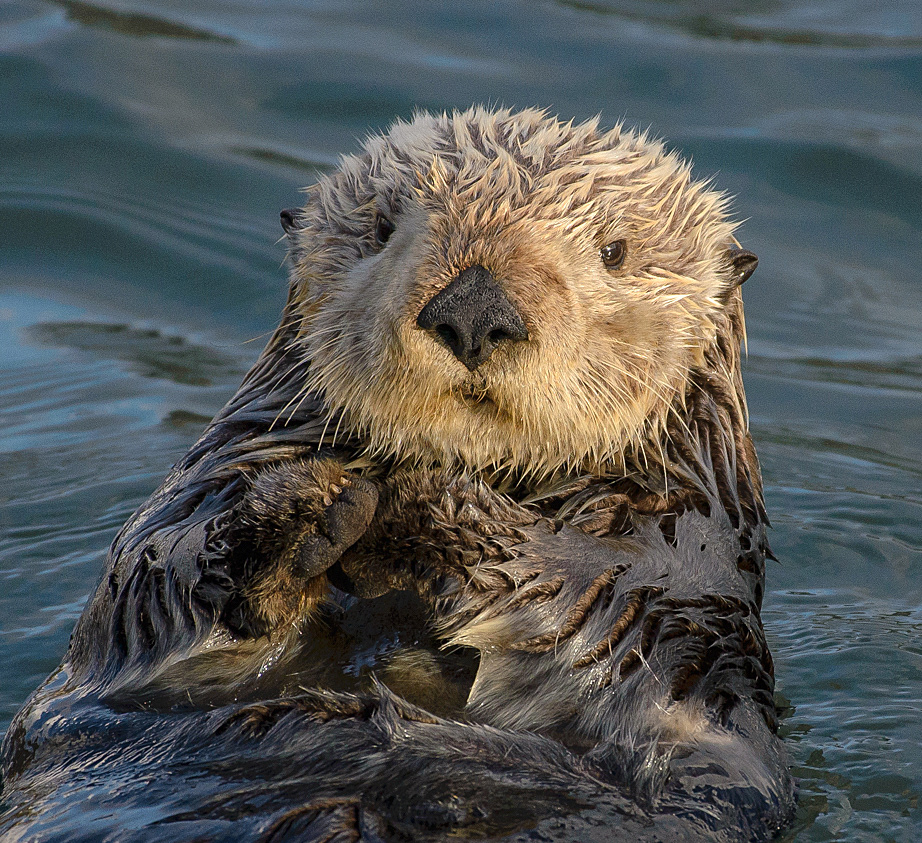
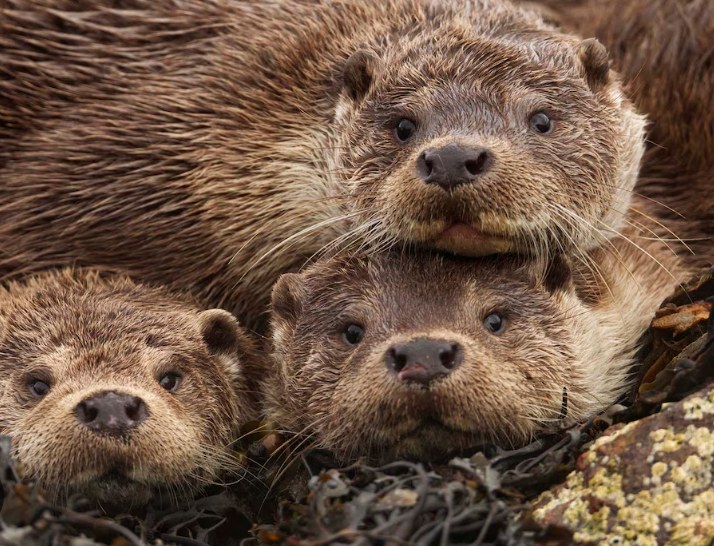
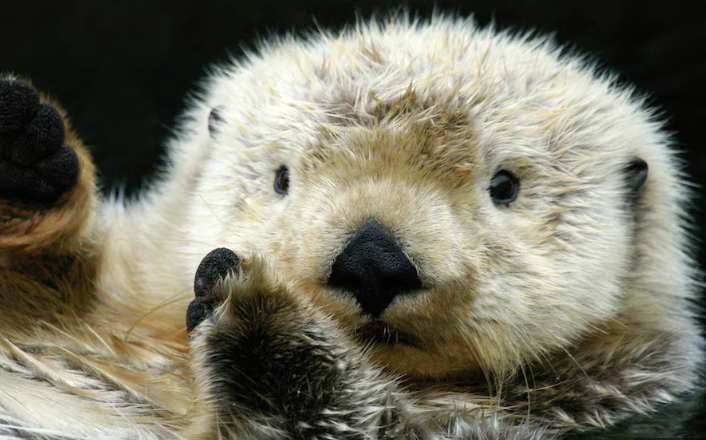
Photo credits: National Geographic and Wikipedia